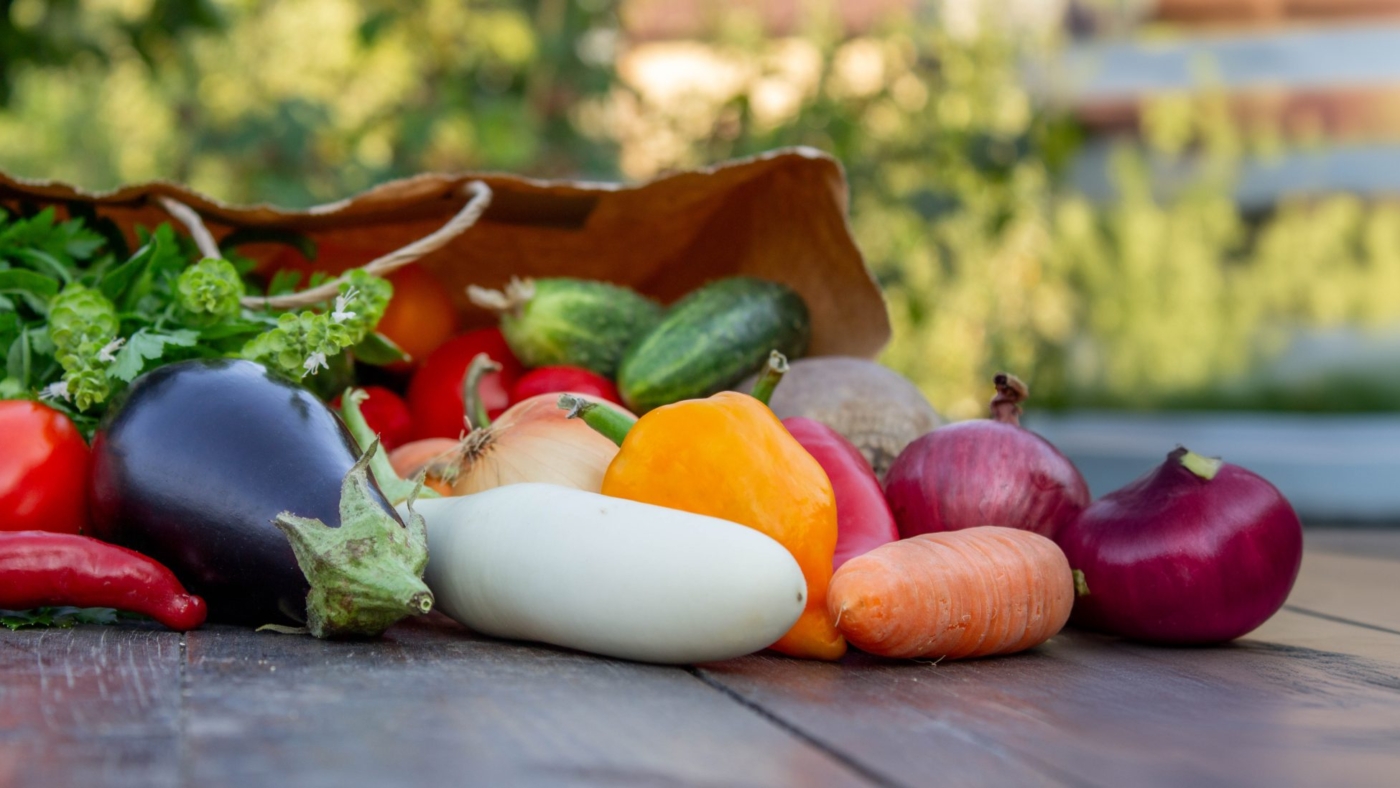
Delicious and Beautiful Perennial Vegetables

When we think of food crops, the image that often comes to mind includes juicy red tomatoes or spicy peppers—annuals that require a lot of work each year. But what if we could enjoy fresh, homegrown food without the constant planting cycle?

Perennial vegetables are a wonderful, low-maintenance addition to any garden. Unlike annuals, they return each season with minimal intervention. These crops produce during a specific part of the year, then rest, forming a natural rhythm in your garden. The result is a garden that yields dependable harvests while saving you time and effort. In this article, we’ll explore four favorites: rhubarb, asparagus, sorrel, and artichoke.

Rhubarb

Zones: 3–8
Size: Medium to large, with wide spreading leaves
Conditions: Full sun to partial shade; rich, well-drained soil

This hardy plant is a gardener’s dream—low effort and long lived. Often passed down through families, rhubarb has a place in many homestead gardens and will thrive for decades if properly cared for.

To harvest, pull the stalks from the base with a twist and tug motion. Only the stems should be eaten, as the leaves contain a compound that is toxic. Use rhubarb in sauces, jams, or desserts—green or red stalks are both tasty, though red offers more visual appeal.

Asparagus

Zones: 2–9
Size: Tall, upright growth with feathery foliage
Conditions: Full sun; well-drained, sandy soil

Asparagus is one of the earliest vegetables you’ll harvest in spring. It takes patience—plants shouldn’t be harvested for the first two to three years—but the payoff is worth it. Once mature, the shoots emerge quickly and must be picked while still tender. After the season ends, the plants are left to grow their fern-like foliage, storing energy for the next year.

Sorrel

Zones: 3–7
Size: Compact and mounded
Conditions: Full sun; average, well-drained soil

A tangy leafy green, sorrel adds a lemony brightness to dishes and can be used either raw or cooked. It’s easy to grow, hardy, and among the first greens to appear each spring. Though it loses color when cooked, the flavor holds strong. It’s also very adaptable in terms of water needs and will thrive with occasional irrigation once established.

Artichoke

Zones: 7–9 (may survive in colder zones with protection)
Size: Large, bold, architectural foliage
Conditions: Full sun; rich, moist, well-drained soil

Artichokes are slightly more temperamental in colder regions but grow well in milder climates. While typically grown as annuals in cooler areas, some newer cultivars can flower in their first year. Watch for the large, spiny buds and harvest before they begin to open. Even when left unharvested, they provide ornamental appeal with striking flowers.

Why Grow Perennial Vegetables?

These crops are not only productive—they’re beautiful. Their bold shapes and textures add interest to garden beds and borders. Plus, most are incredibly resilient, with few pest problems and great adaptability. They are especially useful in cooler regions or areas with short growing seasons where traditional annual vegetables may struggle.

A little mulch helps keep the soil healthy and reduces the need for watering. Choose organic mulches like straw or leaf litter to retain moisture and improve soil over time.

If you’re aiming for a more sustainable and less labor-intensive vegetable garden, these perennials can be both functional and attractive additions to your space.

The Chromatic Apartment: A Design Lover’s Dream in Full Spectrum

Inside the Chromatic Apartment: A Design-Lover’s Dream

The Chromatic Apartment is a bold tribute to color, texture, and form—crafted for those who view design as self-expression. Every room bursts with personality, inviting you to immerse yourself in a spectrum of jewel tones, sculptural lighting, and curated visual layers. This isn’t just a home—it’s a creative experience.

Living Room: A Conversation in Color

The moment you enter, a tufted olive green sofa captures attention like functional art. It’s surrounded by rich accent chairs in cobalt blue and deep emerald, creating a lounge-like mood that’s both playful and refined. Underfoot, geometric rugs mirror the rhythm of the surrounding artwork. A textured neutral fireplace and abstract pieces further amplify the layered aesthetic, resulting in a space that feels bold yet balanced.

Kitchen: Where Sculpture Meets Function

The kitchen island, wrapped in dramatic green-gray marble and fluted paneling, commands attention as both a centerpiece and workspace. A sleek linear pendant softly illuminates the surface, emphasizing the marble’s natural veining. Camel-colored stools introduce warmth, while open shelving adds approachability. It’s minimal, yet theatrical.

Dining Area: Retro Meets Refined

In the dining area, form becomes the focal point. A green marble dining table takes center stage, flanked by white tulip-style chairs that nod to retro-futurism. The rug beneath brings in movement through ochre and navy geometric motifs. Overhead, a sculptural pendant hangs like a floating art piece—seamlessly tying the room together.

Bedroom: Bold Meets Blissful

The bedroom is a masterclass in modern color layering. A wall-to-wall mustard velvet headboard sets a rich, grounding tone. Lilac, blush, and rust-toned textiles add softness, while playful shapes—from circular pillows to curved sconces—introduce charm. A green velvet chair and fluted oak nightstand echo the home’s broader palette. A patterned rug completes the look with just the right amount of whimsy.

Bathroom: Graphic and Grounded

The bathroom’s standout feature? Bold triangular tiles in deep green and white wrapping both the floors and walls, turning routine into art. A floating wood vanity adds warmth, while a green marble sink continues the home’s chromatic story. The space feels sophisticated yet fun—especially with French doors that open to a view and light-filled airiness.

Final Notes

The Chromatic Apartment isn’t afraid to be bold. It’s a celebration of shapes, shades, and self-expression—every surface and corner speaking a different design dialect, yet coming together in perfect harmony. A daring, inspiring home for those who believe color is more than decor—it’s a way of life.

How to Grow Small Trees in Containers

When it comes to planting design, one principle stands out: “planting big to small.” Trees give structure to a garden. They anchor views, define space, and influence everything around them—especially when they cast shade. But if your ground space is limited or already full, there’s another way to introduce trees: grow them in containers.

Why Grow a Tree in a Container?

A container is simply a movable box of soil, which opens up many design possibilities. Consider a few reasons why this can be a great approach:

  • No ground? No problem. Trees in containers are perfect for balconies, rooftops, and patios.

  • Instant elevation. Containers raise a tree 2 to 3 feet above ground level, giving quick impact or temporary privacy screening.

  • Artistic focal points. Placing a small tree in a beautiful pot instantly elevates it to the level of sculpture—especially when paired with uplighting.

  • Flexibility. You can move the tree seasonally to create shade, hide a view, or refresh a vignette. Just make sure the pot is movable—or get help!

If bonsai artists can grow ancient forest trees in small pots, you can certainly grow a modest tree on your patio for a few years.

Which Trees Work in Containers?

With the right care, nearly any tree can grow in a pot—at least temporarily. What matters most is your goal. Are you creating shade? Adding height or texture? Seeking a statement piece? Think about how long you want the tree to live in a container, then choose accordingly.

Here are a few beautiful small trees and evergreens well-suited for pots:

Japanese Maple

Zones: 5–9
Size: Varies by cultivar; typically compact and elegant
Conditions: Sun to part shade; moist, rich, well-drained soil

Japanese maples are prized for their shape, foliage, and seasonal color. Dwarf and lace-leaf types are especially container-friendly. Some varieties have dense green leaves that turn orange in autumn, while others offer delicate red or variegated foliage. Their slow growth and refined form make them ideal for pots.

Weeping Redbud (White-Flowering Variety)

Zones: 5–9
Size: Small, arching form; perfect for tight spaces
Conditions: Sun to partial sun; average, well-drained soil

For something less expected, consider a compact redbud with white blooms and weeping branches. Its soft shape and spring flowers make it a living sculpture. Look for compact or weeping forms in nurseries—they’re often available in specialty tree sections.

Compact Evergreen Cedar

Zones: 5–9
Size: Medium height, dense form
Conditions: Full sun; well-drained soil

If you want an evergreen option that stands out from typical boxwoods or yews, try a dwarf cedar. These trees offer soft texture, interesting shape, and a whimsical feel—plus they make fantastic hosts for seasonal lighting.

Tips for Success

Containers restrict root growth, which naturally limits the size of the tree. Depending on the species, it may live in a pot for several years before needing a new home in the ground. Some trees thrive for decades in containers; others might outgrow them in just a few seasons.

  • Container size matters. For small trees, choose pots with a diameter of 24–36 inches.

  • Think ahead. Will you need to move the pot? Consider weight and access.

  • Soil and feeding. Use quality potting soil and apply balanced fertilizer twice a year.

  • Water wisely. Like all container plants, trees will dry out faster—monitor closely.

If you’ve had your eye on a small tree but thought you lacked space, consider the container route. You can enjoy beauty, flexibility, and impact—without breaking ground.

Back-to-School Organization: Designer Storage Solutions Under

5 Stylish Study Space Upgrades (All Under Budget)

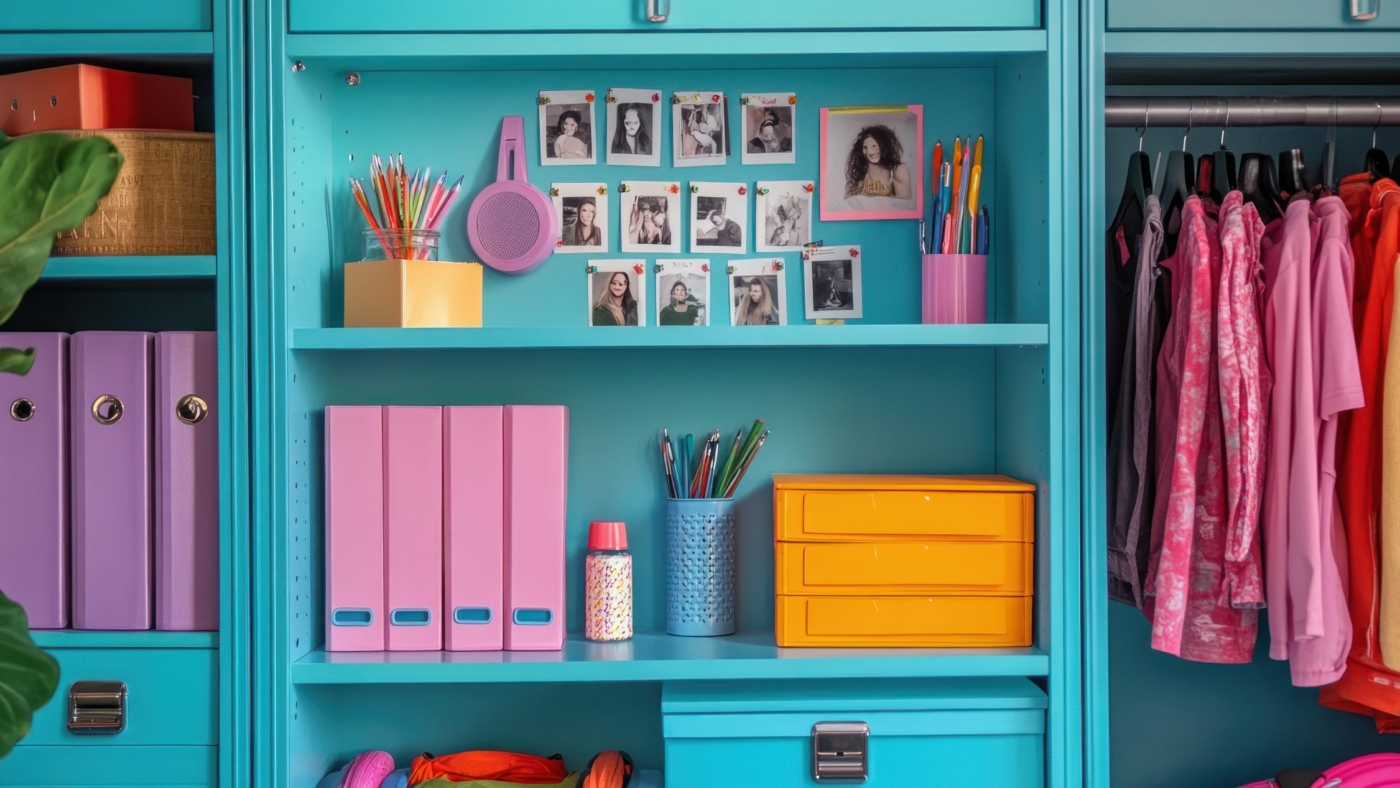
Back-to-school season can bring a little chaos… unless your space is built to handle it. These smart, stylish storage and study upgrades help keep things organized, inspired, and totally kid—or student—approved. And the best part? Each one is budget-friendly.

1. Compact Label Maker

Dreaming of an aesthetically organized space? A portable Bluetooth label maker makes it happen. Tag everything from notebooks and chargers to snack containers. It’s sleek, efficient, and helps keep track of your things without the guesswork.

2. Visual Pocket Chart

Stay on schedule with a bright and reusable pocket chart that works for everyone—from toddlers to teens to adults. Ideal for routines, homeschool days, or simple daily planning, it turns any wall into a command center with a splash of color.

3. Slim Geometric Bookshelf

Need a corner refresh? A slim, geometric shelf makes for a stylish display station. Use it for textbooks, art supplies, planners, or favorite décor. It brings vertical storage into your study zone while keeping the vibe modern—not messy.

4. Playful Table Runner

Bring some fun to your learning space with a table runner inspired by classroom nostalgia. With ruler-style design and cheerful tones, it’s an easy way to add energy to your study zone without overdoing it.

5. Compact Desk with Shelves

A good desk makes all the difference. Choose one with a clean design and built-in shelving so everything—from tech to notebooks—has a home. Bonus points if it fits in small spaces and still feels fresh.

Back-to-school doesn’t have to mean back to clutter. With the right tools, your study space can feel calm, creative, and ready for anything.

Palms for Southwest Gardens

Palms tend to divide opinion. Some see them as graceful architectural elements, while others view them as underwhelming trees that offer little shade. But for those who didn’t grow up with palms lining every street, the sound of rustling fronds and the visual of tall, exotic silhouettes can bring a touch of the tropics to the garden—especially in dry climates.

In the arid regions of the Southwest, with its wide range of microclimates, there’s real potential to experiment with palm species. While growing conditions can vary dramatically from one zone to the next, a handful of well-adapted palms thrive in desert environments and can even tolerate some cooler temperatures.

Here’s a look at several outstanding palms for desert gardens:

California Fan Palm

Washingtonia filifera
Zones: 9–11
Size: Tall with a wide crown
Conditions: Full sun; sandy or loamy soil with good drainage
Water Needs: Low to medium

This native palm of the Southwest is slow growing but well suited to dry conditions. Its thick trunk distinguishes it from its more slender cousin, the Mexican fan palm. Though found naturally in scattered oases, it can be a bold native accent in home landscapes with occasional watering.

Mexican Blue Hesper Palm

Brahea armata
Zones: 9–11
Size: Medium-tall with a narrow crown
Conditions: Full sun; rocky soil with good drainage
Water Needs: Low to medium

Native to Baja California, this palm features stunning silvery-blue fronds that fade to blue-green as the plant matures. Mature specimens produce long, cascading sprays of creamy-white flowers. It thrives in hot, dry spots—especially where water can be collected from rain events.

Waggie Palm (Windmill Palm Variant)

Trachycarpus wagnerianus
Zones: 7–9
Size: Compact with a tidy crown
Conditions: Full sun to partial shade; average soil with good drainage
Water Needs: Medium

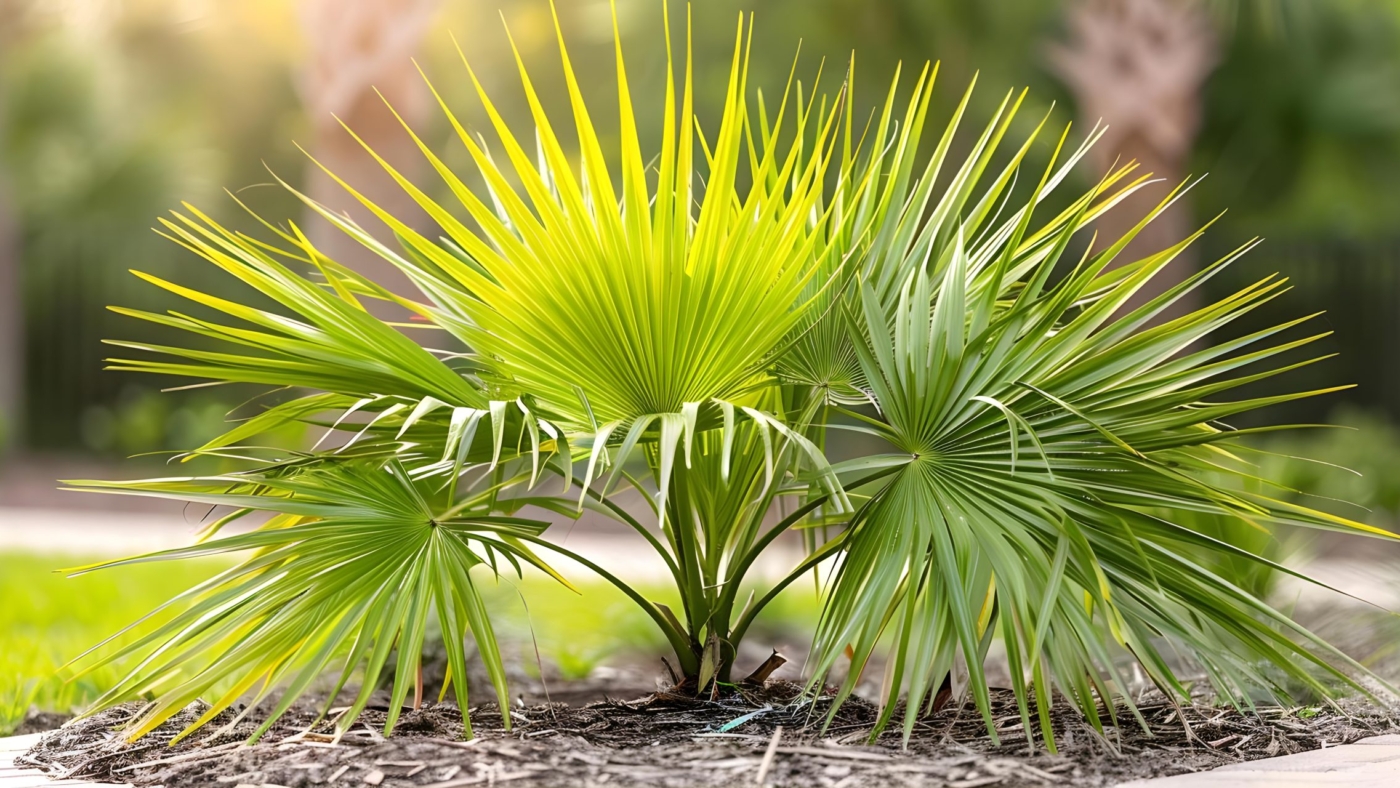
Ideal for cooler climates, this small, slow-growing palm has refined, symmetrical fan leaves and a neat trunk. It’s perfect for smaller spaces or groupings and performs well with moderate watering.

Mule Palm

× Butiagrus nabonnandii
Zones: 8–10
Size: Medium-tall with a wide crown
Conditions: Full sun to partial shade; average soil with good drainage
Water Needs: Medium

This hybrid palm brings the graceful, arching fronds of tropical species to more temperate gardens. It combines the hardiness of one parent with the elegance of the other, offering feather-like leaves and reliable performance in warm regions. While not suitable for tight spaces, it’s excellent for larger gardens where its broad canopy can shine.

Rock Palm

Brahea calcarea
Zones: 9–11
Size: Medium height with a rounded crown
Conditions: Full sun; rocky or loamy soil with good drainage
Water Needs: Low to medium

An underused gem, this palm features circular green fronds on smooth petioles and a slow growth habit. It can take many years to develop a trunk, making it an attractive low-growing palm for many seasons before it matures. Ideal for creating a calm “oasis” feel in dry gardens.

Senegal Date Palm

Phoenix reclinata
Zones: 9b–11
Size: Tall and spreading; clustering growth habit
Conditions: Full sun; sandy or loamy soil with good drainage
Water Needs: Low to medium

This palm thrives in warm climates and develops into a dense, multi-trunked canopy over time. Its feathered fronds and spreading habit create a lush, tropical atmosphere, though it requires ample space to grow. Once established, it offers beautiful form and gentle shade with minimal water needs.

Bring the Tropics to the Desert

With the right selection, palms can thrive in the challenging climates of desert gardens. Look for species that suit your local conditions and garden size. Whether you seek a compact showpiece or a towering canopy, palms bring movement, structure, and a sense of escape to arid landscapes.

Curved Furniture Trend: 17 Pieces That Soften Sharp Modern Lines

Curved Furniture Ideas That Soften Your Space

If you’ve been browsing design inspiration lately, you’ve probably noticed a shift: sharp, minimalist interiors are giving way to a new wave of design—softer, more organic, and infinitely more inviting. At the heart of this evolution? Curved furniture.

These flowing, rounded forms bring warmth, ease, and a sense of comfort to modern homes. Whether you’re starting with a small accent or revamping an entire room, these 17 curved furniture ideas are perfect for adding cozy sophistication—without sacrificing style.

1. Start Small with Accent Pieces

Try incorporating curved mirrors, round stools, or ceramic table lamps with soft edges. These subtle touches ease visual tension and make the room feel more welcoming—especially great for apartments or rented spaces.

2. Round Dining Tables

With no sharp corners or head of the table, round dining tables encourage closeness and conversation. They work beautifully in both small and open spaces and pair effortlessly with curved or upholstered chairs.

3. Cloud-Like Curved Sofas

These plush, statement-making sofas offer comfort and a sculptural focal point. They’re ideal for open layouts, naturally guiding traffic and defining cozy zones.

4. Crescent Moon Accent Chairs

Wrap-around chairs with rounded backs add elegance and intimacy to reading corners or bedroom nooks. Choose jewel tones for drama or neutrals for versatility.

5. Oval Coffee Tables

A safer, more fluid option than rectangular tables, oval coffee tables are stylish and practical. They complement curved sofas and maintain easy movement through living areas.

6. Curved Headboards

Soft, arched headboards elevate the bedroom with a calming, graceful silhouette. Velvet, linen, or textured fabrics add depth and style without overwhelming the space.

7. Spherical Light Fixtures

Globe pendants, orb chandeliers, or mushroom lamps cast soft, ambient light while extending the curved design language across your space.

8. Round Ottomans and Poufs

Perfect for relaxing, hosting, or adding visual balance, these multitasking accents soften edges and often double as storage or extra seating.

9. Arched Canopy Beds

With their sweeping frames, arched canopy beds bring romance and dimension to bedrooms, offering a refined and airy focal point.

10. Curved Bookshelves

Say goodbye to boxy bookcases. Rounded shelving softens wall space and makes your book collection or décor feel like part of the architecture.

11. Wave-Edged Mirrors

Playful and sculptural, wave-edged mirrors reflect light and movement, perfect for elevating bathrooms, entryways, or vanity corners.

12. Organic-Shaped Wall Sculptures

These abstract forms add motion and texture, echoing the natural curves of water, stone, or wind. Ideal for modern or minimalist interiors that crave depth.

13. Circular Bedside Tables

A practical yet elevated alternative to square nightstands, these soften bedrooms and reduce visual clutter—especially in tight layouts.

14. Round Vanity Mirrors and Tables

Rounded shapes in vanities and mirrors create flattering light and a polished, gentle aesthetic, ideal for serene bathrooms or dressing areas.

15. Organic Ceramics

Curved, asymmetrical ceramics bring authenticity and artistry to shelves or tables. Their handmade forms offer warmth and quiet character.

16. Curved Benches

Whether placed at the foot of a bed, in an entryway, or by a window, curved benches bring softness and versatility to overlooked spaces.

17. Half-Moon Console Tables

Perfect for narrow spaces like hallways or behind sofas, these tables offer gentle curves and elegance without taking up much visual weight.

Final Thoughts

Curved furniture isn’t just a design choice—it’s a lifestyle shift. From sweeping sofas to soft lighting and sculptural décor, curves bring comfort, elegance, and ease into every corner of your home. Start small or go bold—the key is embracing forms that make you feel more at home.

Cosy Family Room: Board with Shopping List

Style: Cosy English Traditional
Color Palette: Sage green, cream, warm brass, and natural botanicals
Budget: $ (budget-conscious but high on charm)
Ideal For: Families seeking a space that feels polished yet comfortably lived-in—perfect for Sunday roasts, book club nights, and after-school sprawl.

Product Board: A Curated Room with Purpose

  1. White Faux Leather Sofa – classic silhouette, easy-care surface

  2. Boucle Accent Chair – inviting texture, soft curves

  3. Criss-Crossed Coffee Table – open design, natural wood tones

  4. Light Green Pillow Covers – gentle contrast, sage-toned softness

  5. Chenille Knit Throw Blanket – extra-cozy, family-friendly fabric

  6. Melrose Checked Wool Area Rug – warm underfoot, subtle English pattern

  7. Gold Round Coffee Table – touch of shine, soft edges

  8. Artificial Cherry Blossom Branches – floral elegance, zero maintenance

  9. Dia Round Concrete Planter – tactile and grounded

  10. Baby’s Breath Artificial Flowers – romantic, timeless filler

  11. White Cylinder Planter – sleek base for green or floral accents

  12. Framed Vintage Wall Art – botanical illustration with heritage charm

  13. Wall Molding Set – architectural interest, easy upgrade

  14. Gold Wall Sconces – functional elegance for reading or ambiance

  15. Artificial Rose with Vase – a permanent soft bloom

Design Highlights & Tips

A Timeless Palette That Feels Fresh

Sage green is an elevated neutral that feels both calm and refined. On a paneled accent wall, it adds subtle architecture and a rich, cozy vibe without overwhelming the space. Cream upholstery keeps the room airy, while warm brass fixtures and details bring in just the right touch of golden warmth.

Wall Details with Character

Board-and-batten paneling channels classic English country charm while keeping proportions updated for modern homes. Paired with symmetrical brass sconces and a minimal botanical print, the result is refined yet relaxed—an ideal balance of style and function.

Furniture That Anchors & Welcomes

A tufted cream sofa with brass nailhead trim makes a subtle statement—it’s elegant but still kid-friendly. A coordinating boucle chair keeps things cozy and conversational without crowding the room. Brass legs on the furniture provide just enough visual polish to elevate the space.

Lighting That Works Double Duty

Swing-arm wall sconces aren’t just pretty—they’re practical. Whether you’re reading on the sofa or entertaining guests, they offer ambient light without cluttering side tables. Their warm finish ties in effortlessly with other brass elements in the room.

Finishing Touches that Feel Alive

A mix of realistic faux florals and natural-toned planters brings in life and movement. Without relying on weekly blooms, the blossoms and soft greenery offer a year-round freshness. Meanwhile, a checked wool rug keeps everything grounded—literally and stylistically.

The Final Note

This space delivers everything a modern English-inspired family room should: warmth, character, and flexibility. It leans into tradition just enough, thanks to the paneled walls and botanical art, but sidesteps anything overly precious. It’s a place for living—tea with friends, puzzles with the kids, or a quiet moment with a book.

The result? A room that’s as welcoming as it is beautiful. Which, in true English fashion, is exactly the point.

Well-Behaved Self-Sowing Plants for the Northeast

Self-sowing plants often get a bad reputation for being unruly or invasive—but when chosen carefully, they can be garden allies. They show up in surprising places, fill awkward gaps, and often blend into existing designs better than anything you could plan. Yes, there’s a fine line between charming and chaotic, but here are a few self-sowers that have proven to be well-behaved and truly rewarding.

Woodland Phlox

Phlox divaricata
Zones: 3–8
Size: Low growing, modest spread
Conditions: Partial to full shade; rich, moist soil

This woodland native spreads not only by rhizomes but also seeds itself generously. Seedlings often appear in new pastel shades, making each season’s bloom slightly different. These volunteers can even naturalize into semi-shaded lawns, adding gentle spring color.

Flowering Dogwood

Benthamidia florida (formerly Cornus florida)
Zones: 5–9
Size: Medium tree
Conditions: Sun to partial shade; average soil
Native Range: Eastern North America

It’s hard to remove a baby tree, especially one as iconic and beautiful as this. Left undisturbed, seedlings can be transplanted to wilder garden edges. Be aware, though, that similar trees in the same genus may also self-sow and be difficult to distinguish when young—some with less desirable traits.

Welsh Poppy

Papaver cambricum
Zones: 4–8
Size: Compact
Conditions: Partial to full shade; moist soil
Native Range: Western Europe

These shade-loving poppies surprise with bright yellow or orange flowers and finely divided foliage. Their self-sown pattern is modest, and they never overwhelm surrounding plants. For best results, move seedlings while young, as they don’t transplant easily once established.

Flowering Spurge

Euphorbia corollata
Zones: 3–9
Size: Upright, airy habit
Conditions: Full sun; average to dry soil
Native Range: Eastern and Midwestern regions

With delicate white flowers in summer and red-orange foliage in fall, this perennial blends beautifully with tougher, taller neighbors. It thrives in difficult, dry spots and supports pollinators. Seedlings are easy to identify and relocate, though it often performs best where it seeds itself.

Cilantro

Coriandrum sativum
Zones: Annual (cool-weather)
Size: Upright, lacy habit
Conditions: Full sun; rich, moist soil
Native Range: Northern Africa, parts of Europe and the Middle East

Once allowed to seed, cilantro returns year after year—whether you enjoy the taste or not. Its delicate flowers attract pollinators and complement spring planting schemes. It germinates early and grows best when sown directly into the soil.

A Note on Self-Sowers

Even plants that behave well in one garden can become a problem in another. Always research unfamiliar species for their seeding tendencies, and avoid anything listed on invasive plant lists for your region—or neighboring ones. Favoring regionally native plants can help reduce risk, though even some natives can become aggressive outside their local range.

Growing the Best Beets

When I see my favorite summer salad on a menu, I can’t resist. Roasted beets, creamy cheese, mixed greens, and a light dressing—it’s simple and satisfying. But the best part? You don’t need a restaurant to enjoy this. With a small garden bed or even a large pot, it’s easy to grow the main ingredient yourself.

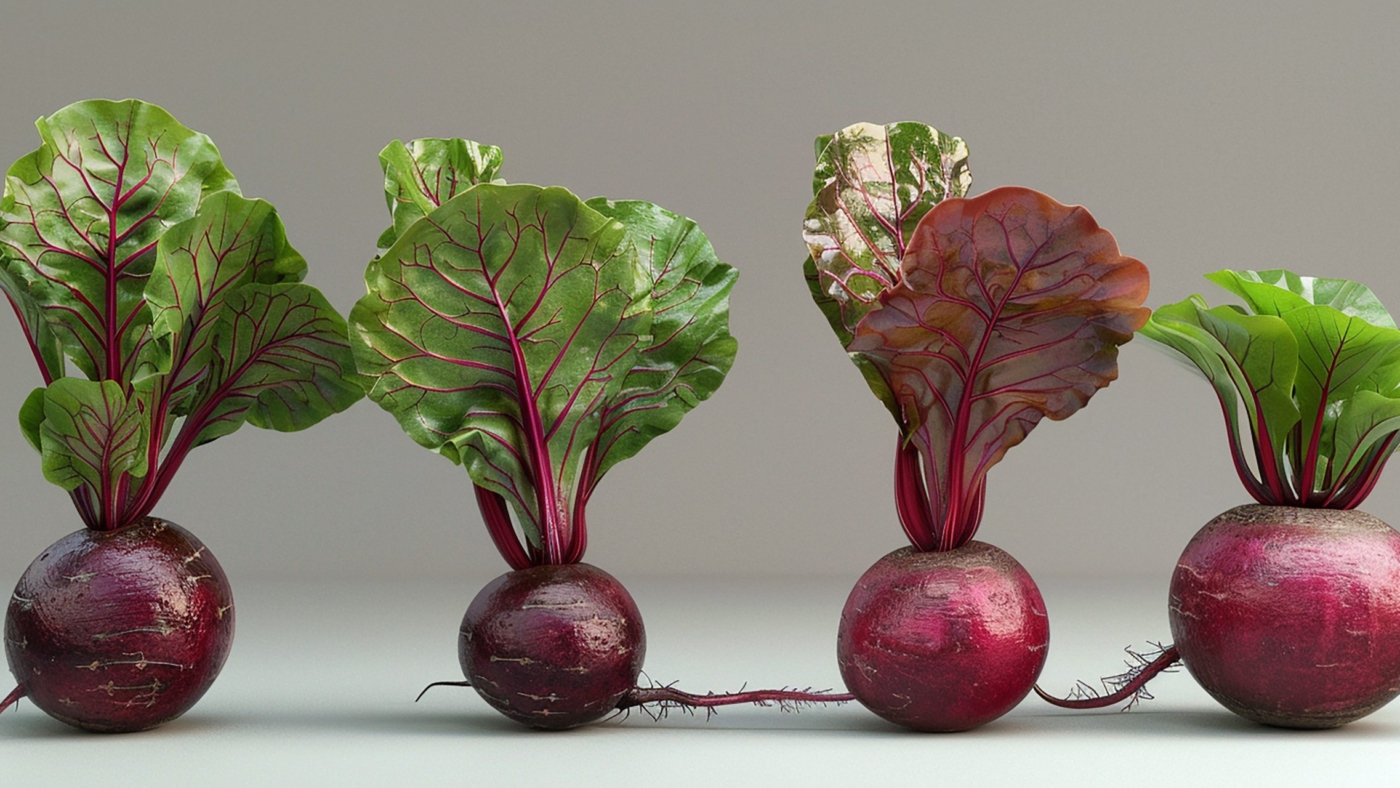
Beets are cool-season root vegetables loaded with nutrients like fiber, vitamins, and minerals. They’re mostly water and low in calories, making them a healthy addition to your meals. While many people remember beets as having a strong earthy flavor, especially when boiled, modern varieties offer a surprising range of tastes and colors. And the greens? They’re delicious too.

Starting Beets from Seed

Beet “seeds” are actually clusters that contain multiple seeds. This means when you sow one, you may get several sprouts. Beets prefer direct seeding in the garden, as they don’t like to be transplanted. Sow them in rows or blocks, making sure to thin them later to allow enough space for each root to form properly.

Once seedlings reach 4 to 5 inches in height, thin them to 3 to 4 inches apart by cutting—not pulling—the extras to avoid disturbing the roots of nearby plants.

Which Beets to Grow?

There are many beet varieties, each with unique shapes, colors, and flavors. Here are some worth trying:

Red Beets

  • A classic globe-shaped variety with deep red flesh is known for its rich flavor and good storage potential.

  • Another red variety matures quickly, tolerates cool weather, and is often harvested young for both roots and tender leaves.

  • A widely grown type offers sweet, dark red flesh and does well across a broad growing season if seeded in succession.

One heirloom red variety has a long, cylindrical shape, making it easy to slice and cook evenly. Its fine texture and sweet flavor are favorites among cooks.

Another, one of the oldest varieties still cultivated today, is prized for its deep, earthy taste and storage longevity. It’s a challenge to grow but rewarding for adventurous gardeners.

Yellow Beets
Golden types tend to be sweeter and don’t stain your hands or cutting boards. These varieties have smooth, orange skin and rich yellow interiors that keep their color when cooked. Some are mild and tender with bright green tops.

Pink and Striped Beets
A striking heirloom variety has alternating red and white rings inside and is often used raw in salads due to its mild sweetness. When cooked, the rings fade, but it remains visually appealing and tasty.

It’s hard to choose just one beet to grow. That’s where farmers markets come in—to fill the gaps in what your garden might not yield. And if you’re short on space, try growing beets in a large container. They don’t need much room, and the results are worth it.

Found a favorite variety not listed here? Share it with others—we’d love to know what’s working in your garden.